
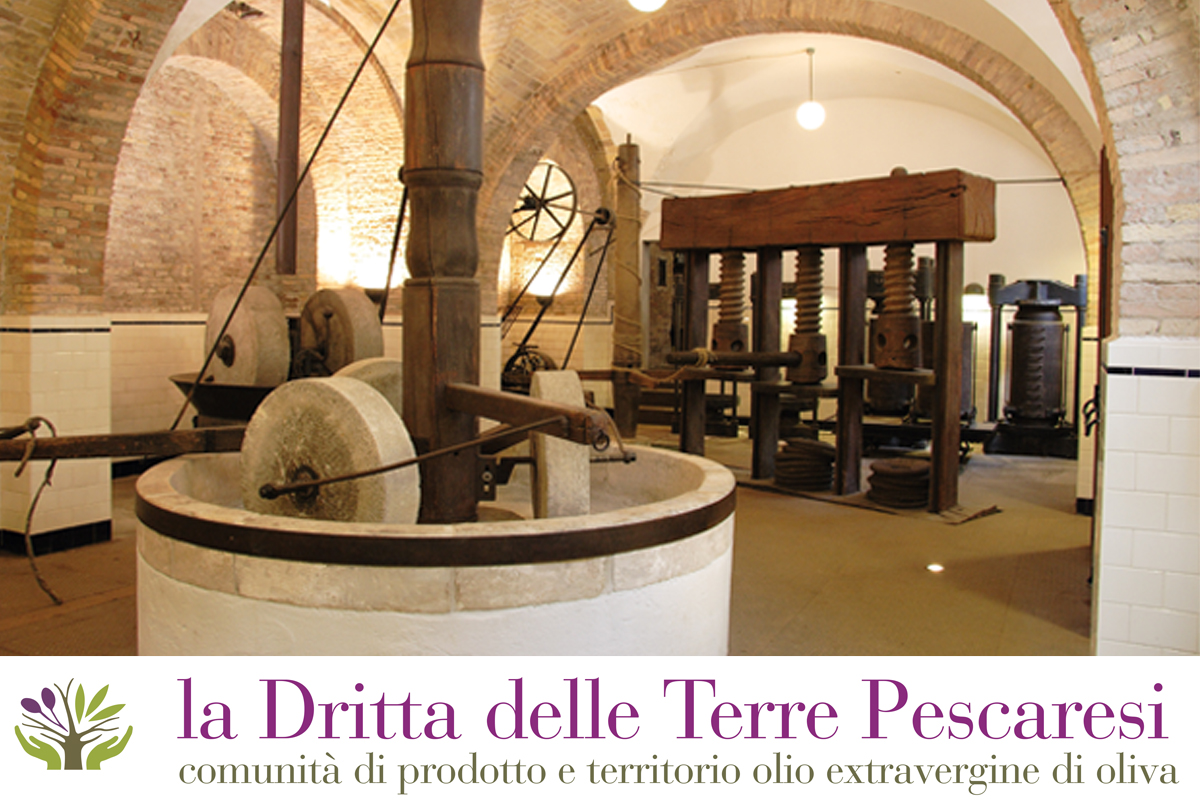
Testimonies regarding the importance of the tip are also present among historical documents. Its cultivation, which began in Abruzzo as early as the 5th – 4th century BC, had a notable development at the time of Roman domination, thanks also to the favorable climatic conditions of the area. We have evidence of this production both from the texts of Virgil and Ovid and other minor writers, and from the remains of ancient trappeti. During the imperial period the olive tree and other agricultural products became goods of exchange between Abruzzo and the capital. During the barbarian invasions and at the beginning of the Middle Ages the variety was cultivated solely at a family level, but, around 1200, the selection and development of its cultivation began in the abbeys of the Cisternesi Benedictine friars. During the Spanish domination the economy and agriculture of Abruzzo had a period of decline, but at the beginning of the 19th century, with the transformation of the feudal large estate into a bourgeois large estate and with the granting of ecclesiastical properties to farmers, agriculture had a new development, especially with the cultivation of the olive tree in which the straight one was the most widespread variety. In the Vestina area, as we have written, two different realities coexisted: on the one hand the large landholding families and on the other the owners of small plots of land. Large families often owned their own oil mill within the city. In Penne we remember the “D’Alfonso” oil mill in Piazza Luca da Penne and in Loreto Aprutino the Casamarte, Acerbo, Palladini and Treccia-Casamarte oil mills.
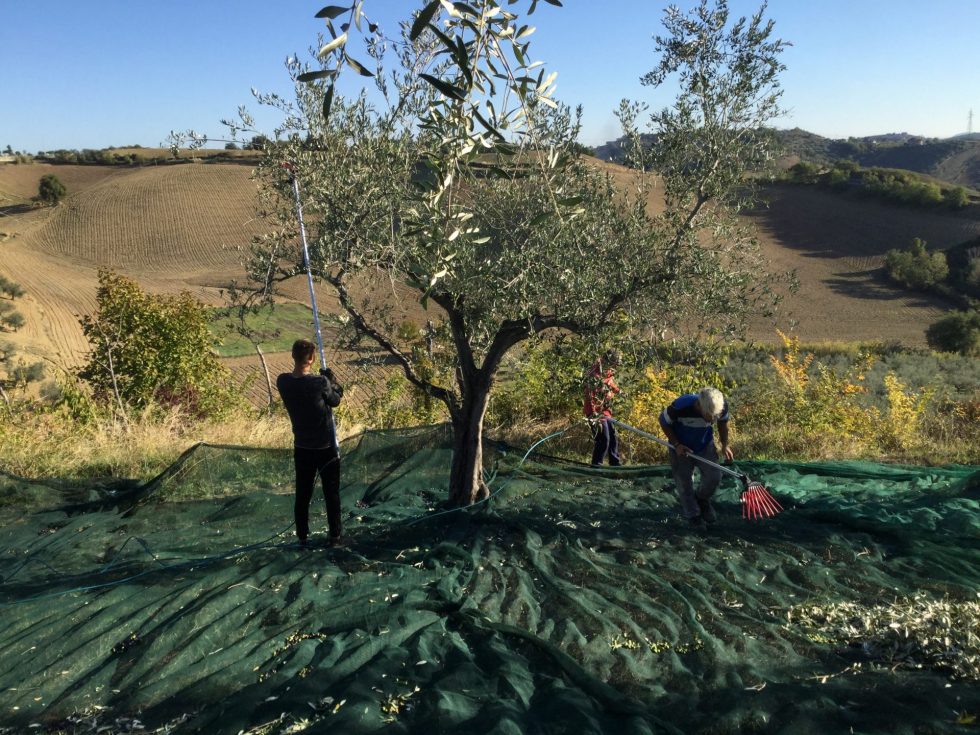

In the Vestina area, as we have written, two different realities coexisted: on the one hand the large landholding families and on the other the owners of small plots of land. Large families often owned their own oil mill within the city. In Penne we remember the “D’Alfonso” oil mill in Piazza Luca da Penne and in Loreto Aprutino the Casamarte, Acerbo, Palladini and Treccia-Casamarte oil mills. The presence of small owners dedicated to the cultivation of olive trees and the production of oil not only allowed them to integrate their income, at the individual family level, but allowed them from a social point of view to enhance the product and keep traditions alive. Between the end of the 19th century and the beginning of the 20th century there were carriage drivers, owners of vehicles (horses, carts…) who transported the oil often outside of Abruzzo, to the Kingdom of Naples, in order to market it. In the municipality of Loreto Aprutino this activity led to the birth of a tradition: during the anniversary of San Zopito, the carriage drivers went to church to thank the saint who had protected them. The working group’s analysis collected other technical data that strengthen the identity elements of the community.
“The weather cooling down and the sea rippling. Everything tells me that winter has arrived for me andthat I must, without delay, harvest my olives andoffer the virgin oil to everyone. ‘altar of the good God.”
Frédéric Mistral